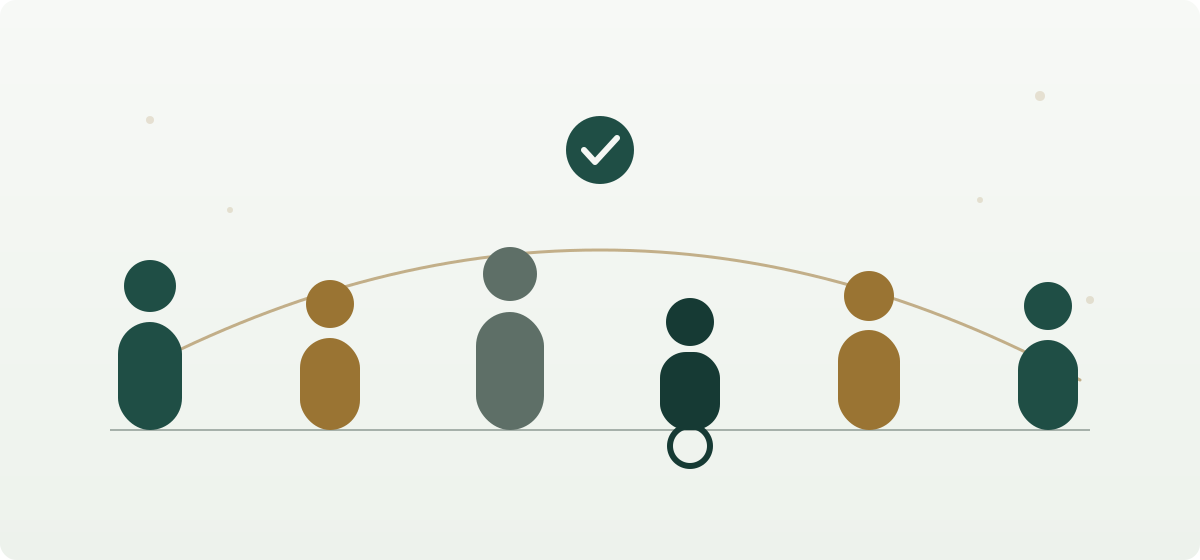
Most food safety training is built for an imagined average worker. That worker reads at a comfortable level, learns well from dense text, and rarely needs the same idea explained a second way. Real kitchens are not staffed by that person. They are staffed by people with different reading levels, different first languages, and in many cases disabilities that shape how they take in and act on information. When training assumes the average and ignores the range, the people at the edges are the ones who fall through, and food safety is exactly the place where falling through has consequences.
This is the question that sits at the center of my work. When a manager trains an employee with a disability on handwashing, temperature control, or cross contamination, what does good training actually look like. It is tempting to treat inclusion as a matter of goodwill, something a kind manager does when there is time. I think that framing is a mistake. Inclusive training is not a favor extended to some workers. It is a design standard that makes the training clearer for everyone, and it happens to be the difference between a rule that gets followed and a rule that gets nodded at and forgotten.
There is also a workforce story here that the industry cannot afford to ignore. Foodservice runs short of people, and a large group of capable workers with disabilities remains underused because the on ramp into the job, training included, was never built with them in mind. Getting training right is not only a public health goal. It is a practical answer to a staffing problem, and it widens who gets to build a career in this field.
I am starting this series to work through these ideas in the open, in short pieces rather than waiting for the next paper. Some posts will draw on my dissertation research with foodservice managers. Others will react to something in the news, a new piece of guidance, or a conversation with a student. The through line is simple. Training that leaves no one behind is better training, and it is worth the effort to get it right.