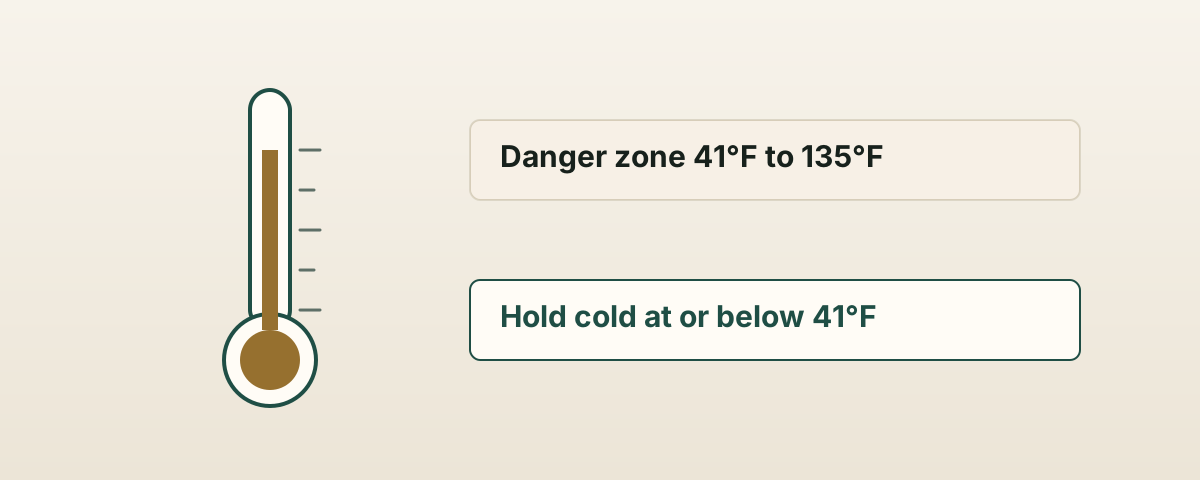
Maintaining proper food temperatures is a non-negotiable aspect of kitchen safety. When an employee has memory challenges, recalling the exact sequence of actions for checking and recording temperatures can be difficult, and that gap can jeopardize safety.
I recommend using a task analysis that isolates each component of the temperature check: locate the thermometer, calibrate it, insert it in the food, read the display, record the result, and store the device. Each step is written on a simple card with a single verb and a visual cue, and the cards are arranged in order on a magnetic strip near the work station. This visual sequence reduces reliance on recall and creates a tangible guide that the employee can follow each time.
Additional memory supports include a color-coded thermometer that matches the card color, and a brief pause cue, a gentle timer beep that signals when the reading should be taken. Pairing these tools with a peer mentor who can model the process during the first weeks further reinforces the routine without making the employee feel singled out.
From a managerial perspective, providing these structured supports is not an extra burden; it creates a more reliable temperature monitoring system for the entire kitchen. When all staff follow the same clear steps, the risk of temperature abuse declines, and the workplace becomes safer for everyone.